The Polite Queue: Camden Makers on Waitlists, Worth and Not Burning Out
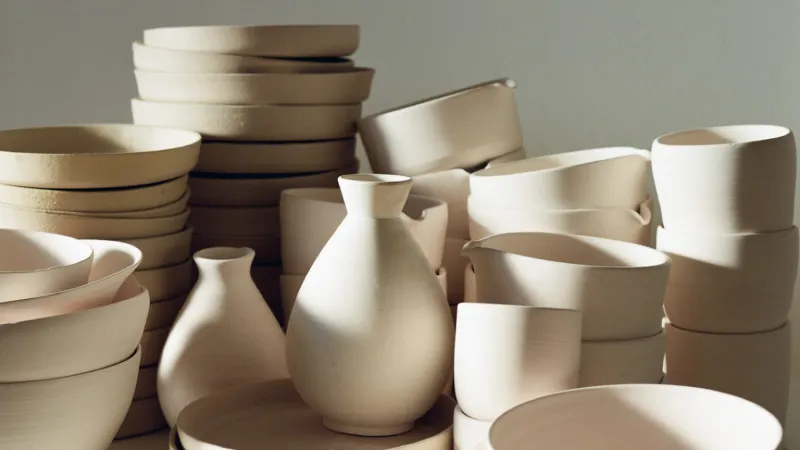
Photo: ceramic maker waitlist notebook Camden market craft stall, via www.azuremagazine.com
There is a particular kind of Camden morning that smells of coffee, clay dust and mild panic. You turn up to a market stall at 9.55am, cash in hand, only to find a handwritten sign: Sold out. Join the list for the next batch. No drama, no hard sell. Just a queue that exists mostly in someone’s inbox.
For years, the unwritten rule of the local craft stall was first-come-first-served. You queued, you bought, you went home with a wonky mug. But as small-batch making has grown in popularity across North London, a quieter shift has taken hold. Waitlists, lottery sign-ups and made-to-order queues are becoming the norm. And while they solve one problem, they create another: what happens when a hobby starts selling out?
The inbox that ate Kentish Town
Priya makes speckled stoneware from a shed at the end of her Kentish Town garden. Two years ago, she was selling six mugs a month to friends. Then a photo of her wonky-handled espresso cups did the rounds on a local WhatsApp group. By spring 2026, she had 147 names on a paper list taped to her kiln. “I felt sick,” she says. “Not because people wanted my work — that’s lovely — but because I knew I couldn’t make 147 cups before Christmas without losing my mind.”
Priya’s solution was a monthly lottery. Ten names drawn, ten cups made, no exceptions. “It felt brutal at first. But people were weirdly lovely about it. I think they’d rather have a fair shot than refresh my website like it’s Glastonbury tickets.”
Three makers, three queues
A few streets away, Tom runs a small leather workshop from a shared studio off Camden Road. His card wallets sell out within hours of each batch. He tried a waitlist but found it stressful: “People would email asking where they were in the queue. I’d spend more time managing expectations than cutting leather.” Now he uses a simple made-to-order system: you order, you wait six weeks, you get a wallet. No list, just a timeline. “It’s boring, which is exactly the point. Boring is sustainable.”
Then there’s Aisha, who makes beeswax candles in a tiny flat near Queen’s Crescent. Her problem is different. She sells at the Saturday market and keeps a paper list for the scents that sell out first. “I used to feel guilty about the list,” she says. “Like I was being precious. But actually, it’s helped me price properly. I realised I was undercharging because I was scared of disappointing people. The list gave me permission to charge what the work is worth.”
What selling out does to community spirit
Here’s the uncomfortable truth: scarcity changes how people behave. Most Camden makers we spoke to said their customers were patient, generous and genuinely happy to wait. But a minority treat a waitlist like a broken promise. “I’ve had people ask if they can ‘just pop round’ to my house because they’re local,” says Priya. “I had to explain that no, the list is the list, and my house is not a shop.”
There’s also the question of local loyalty. When a maker’s work goes viral, the neighbours who supported them at the start can feel pushed out. Tom noticed this when a batch of wallets sold to buyers in Manchester and Berlin before his regulars had even seen the email. “I now hold back a handful of pieces for the Saturday market,” he says. “No list, no lottery, just first-come-first-served for whoever turns up. It keeps me connected to the street.”
Pricing confidence and the fear of the list
A waitlist is also a mirror. It shows you that demand exists, which is terrifying if you’ve spent years apologising for your prices. Aisha put her candles up by £4 after her list hit 80 names. “I expected complaints. I got one person saying ‘about time’ and everyone else just… bought them.”
The trap is using the list as an excuse to overwork. “I’ve seen makers take on every waitlist request and then produce 60 identical things in a fortnight,” says Tom. “That’s not craft, that’s a factory with extra steps.”
The burnout check
If you’re thinking of introducing a waitlist, ask yourself one question first: do you want more customers, or do you want more time? A waitlist can protect your time — but only if you set limits before the names pile up.
Priya’s rule is simple: she caps her list at 50 names. When it’s full, it closes until the next batch. “I used to think that was bad business,” she says. “Now I think it’s the most Camden thing about me. I’d rather make ten good cups than a hundred resentful ones.”
A Camden-specific waitlist playbook
If you’re a local maker thinking about a queue, here’s what actually works, according to people who’ve learned the hard way.
Keep it paper and local. A shared spreadsheet or a notebook behind the stall is less stressful than a flashy form. People trust a list they can see.
Say the wait time out loud. “Six to eight weeks” is kinder than “soon”. If you don’t know, say you don’t know.
Reserve a slice for the street. Hold back a few pieces for walk-up sales at Camden Market, Queen’s Crescent or your local makers’ fair. It stops the list from becoming a wall.
Close the list. A waitlist with no end date is just a guilt pile. Cap it, close it, reopen when you’re ready.
Don’t apologise for the queue. You’re not a failure for selling out. You’re a maker with boundaries. That’s worth celebrating.
Batch your admin. Set aside one hour a week to answer list emails. Not daily. You are not a customer service desk.
Talk to other makers. The Camden Makes meet-ups at the Albany Centre or the Kentish Town Community Centre are full of people who’ve been there. Ask them how they manage their lists. You’ll hear the same thing: the queue is not the problem. The problem is forgetting that you’re allowed to say ‘later’.
Selling out isn’t a moral failing, and a waitlist isn’t a corporate tool. In a city that moves fast, a polite queue can be a small act of care — for your customers, your neighbours and your own two hands. Just don’t let it turn your hobby into a second job. The whole point of making in Camden is that it’s supposed to feel good.