Hands Off the Wares, Wallet Out: A Buyer’s Field Guide to Camden’s Craft Fairs
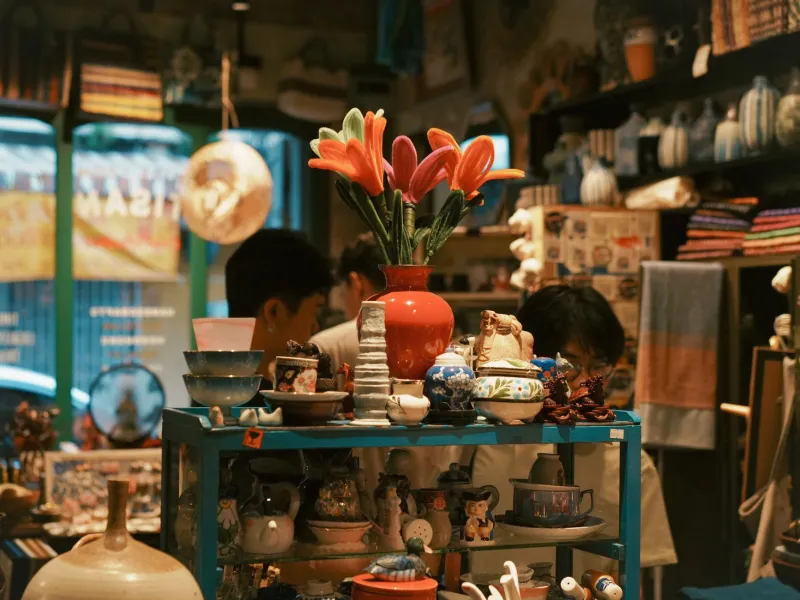
Camden’s craft fairs have a particular smell. Somewhere between beeswax, strong coffee and the faint panic of someone realising they’ve left the card reader at home. It’s a good smell. And whether you’re drifting through a church hall in Kentish Town, a school gym off Queen’s Crescent or a weekend pitch near the canal, the same unwritten rules apply. Not the po-faced kind. The kind that keep makers smiling, buyers happy and everyone’s hands where they should be.
This is not a lecture. It’s a field guide for the 2026 fair season, written with love for both sides of the trestle table.
The stall is not a petting zoo
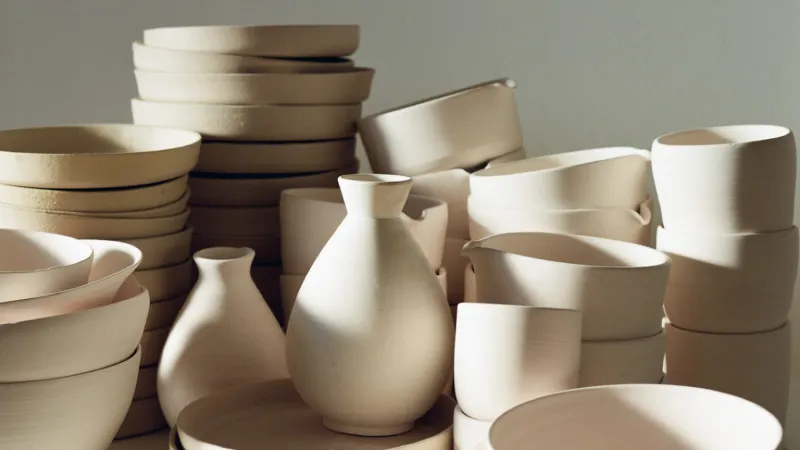
You know the look. A ceramicist has spent three weeks glazing a batch of mugs, arranged them like tiny monuments, and then someone picks one up by the rim, turns it upside down and says, “Ooh, is it heavy?”
It is now.
Most makers are delighted when you want to handle work — it’s how you fall for it. But ask first. “May I pick this up?” takes two seconds and signals that you see the labour behind the object. A jeweller I know in Kentish Town keeps a small sign at the front of her table: Please ask before trying. Some pieces are braver than others. It gets a laugh, and it works.
Do: ask, use both hands, put things back where you found them. Don’t: tap ceramics with a fingernail to see if it “sounds right”, stretch a knitted hat over your head without checking, or test a candle by sniffing it so hard you inhale the wick. And please, never lick anything. It has happened. The maker will remember.
Ask, don’t interrogate
There’s a difference between curiosity and an audit. “How did you make this?” is lovely. “How long did it take, what’s your hourly rate, where do you source your clay, and why is it so expensive?” is an appointment with HMRC, not a chat.
A textile maker at Queen’s Crescent told me her favourite customer question is: “What should I know about this piece?” It opens the door for the maker to share what matters — the hand-dyed thread, the recycled sari silk, the fact that the clasp is silver and not plated — without feeling cross-examined. Try it. It’s a much better opener than, “Did you make all this yourself?” which, yes, they did. That’s the stall.
Price conversations without flinching
The price is on the label. If it isn’t, ask. Then pause. You are allowed to think about it. You are allowed to say, “That’s outside my budget today, but it’s beautiful.” You are not allowed to suggest they’d sell more if it were cheaper. They know. They’ve done the maths. They’ve also paid for the stall, the public liability insurance and the train fare.
In the 2026 fair season, with pitch fees creeping up and the cost of materials doing whatever it is materials do, most makers have already trimmed what they can. A polite “Do you have anything at a lower price point?” is fine. A theatrical gasp is not. Bulk discounts are rare. Haggling is not a Camden tradition — it’s a way to make someone’s Saturday feel like a tribunal.
The crowded-stall ballet
A busy fair is a beautiful, chaotic thing. It is also a dance. The steps are simple: move to the side when you’re done, keep backpacks off your back rather than swinging them into a display, and don’t stand directly in front of the card reader while you recount your coins.
If a stall is packed, hover at the edge and wait for eye contact. Makers are good at clocking people. A raised eyebrow and a smile says “I’m interested” without forcing them to abandon the customer they’re already serving. And if you’re with a friend who has stopped to chat, don’t leave them wedged between a basket of lavender bags and a queue. Give them the international signal for “I’m moving on” — a nod towards the next stall. They’ll understand.
Commissions, customs and the waiting game
Asking for a commission is a gift to a maker — if you do it kindly. Be clear about budget, timeline and how much creative freedom you’re giving. “Can you make me a vase like that one but in green, by Friday?” is a wish. “I love that shape. Would you be able to make one in green before the end of November, and what would that cost?” is a conversation.
Expect a deposit. Expect a wait. Expect that a maker who is already juggling three commissions and a day job may say no. That’s not rejection; it’s professionalism. And if you agree a custom piece, don’t then disappear when it’s time to pay. The maker has already bought the materials and turned down other work.
The “I could make that” problem
You might be able to. Good for you. But saying it to the maker’s face — while they stand there with three hours of sleep and a glue gun burn — is like telling a chef you could probably make a lasagne. It’s technically true and socially unnecessary.
If you’re genuinely inspired to try, say that instead: “This makes me want to have a go at pottery.” That’s a compliment. “My niece does this” is not.
Pay, pack, say thanks
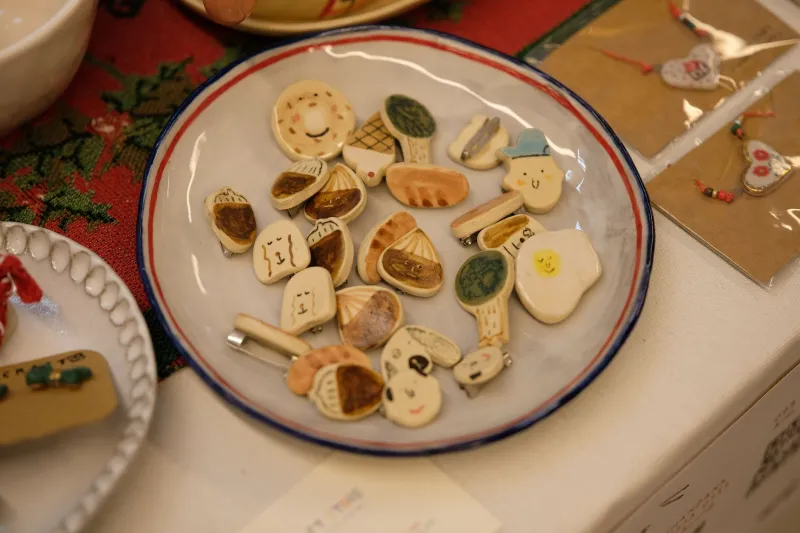
Card readers are normal now, but cash still greases the wheels — especially at smaller fairs where signal is patchy. If you’re paying by card, be patient. If you’re paying cash, don’t hand over a twenty for a £3.50 badge and expect change with a smile. Makers are not banks.
When you buy, let them wrap it. They know how. A ceramicist will bubble-wrap like their life depends on it because, honestly, it does. And if you’re buying a gift, say so — many makers will add a handwritten note or gift wrap for free. It’s the kind of small extra that makes the whole stall worth visiting.
Leave well
At the end of the day, the stalls come down, the tape comes off the floor and the makers count their takings. If you’ve had a lovely time, tell them. A quick “Great stall, I hope you do well today” costs nothing and lands like a decent cup of tea. Follow them on Instagram if you liked the work. Come back next year. That’s the whole ecosystem.
Camden’s craft fairs are not shops. They’re a room full of people who have chosen to make things with their hands and then stand next to them in public. That takes nerve. The least we can do is ask before we touch, think before we haggle and keep our backpacks out of the pottery. See you at the trestle tables in 2026.