The Kiln in the Spare Room: Camden Makers Going Pro in 2026
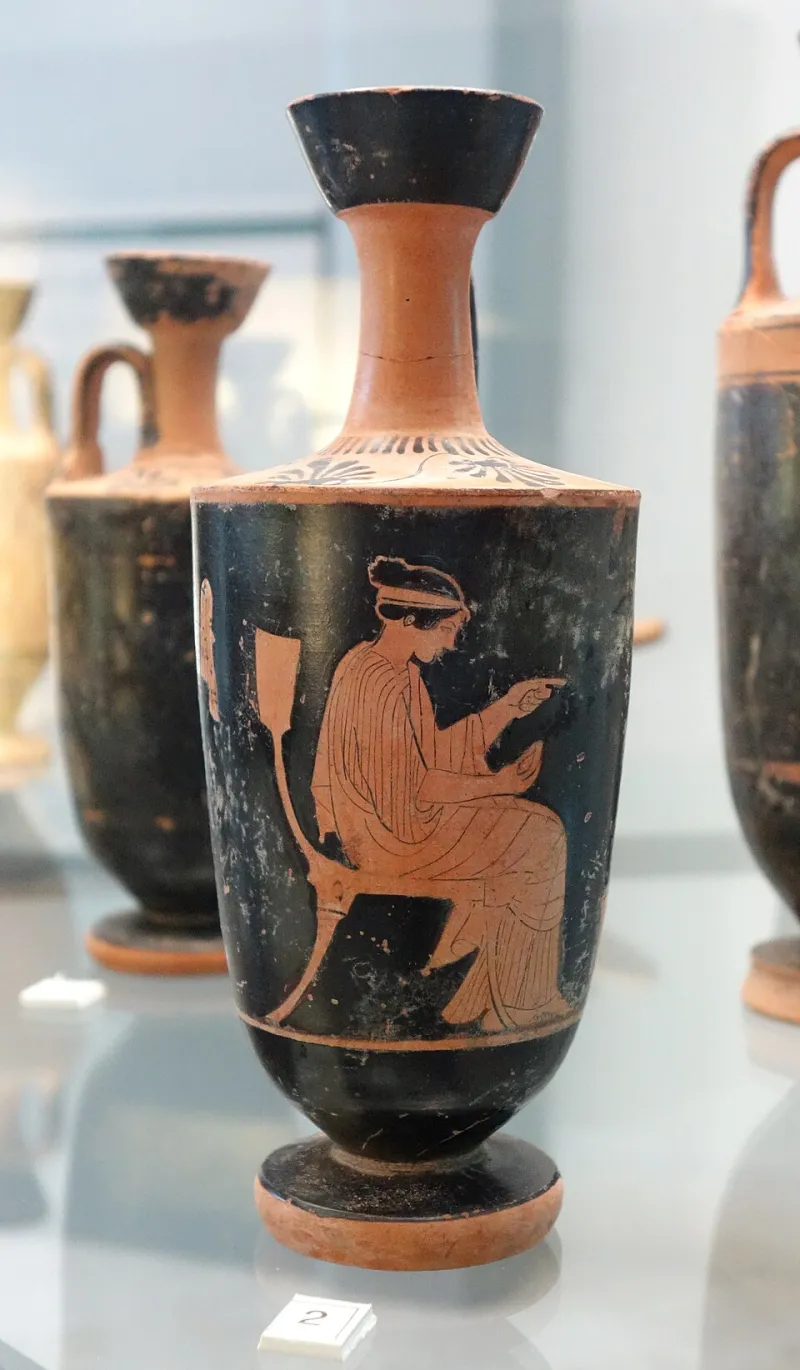
Photo: Mark Landon, CC BY 4.0, via Wikimedia Commons
Camden has always been a place where people make things. But something is shifting in 2026. The hobbyists who once sold the odd mug to a friend are now taking card payments at market stalls, setting up stockist accounts and learning how to do their own tax returns. The side business is no longer a quirky exception. It is becoming part of the borough's creative fabric.
The leap looks different for everyone
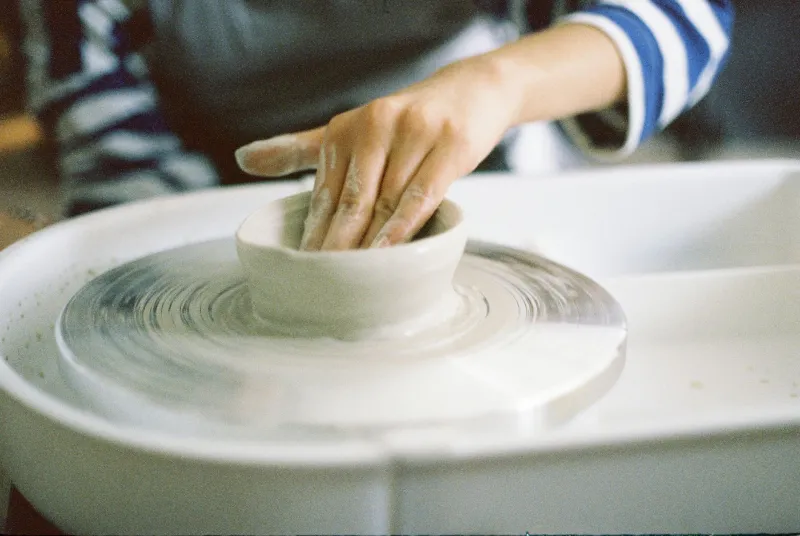
Priya fires ceramics in a shared kiln in Kentish Town. She sells at Camden Market once a month and through Instagram the rest of the time. 'I'm not trying to build an empire,' she says. 'I just want the craft to pay for itself.'
Then there is Marcus, who hand-dyes textiles in a Chalk Farm spare room and stocks two shops in Kentish Town and one in Queen's Crescent. He still works four days a week in social care. 'The dye pot goes on the stove on my day off,' he says. 'It's not glamorous, but it's mine.'
At Buck Street Market, a jeweller called Noor sells on Saturdays and takes commissions through a newsletter. She started with polymer clay in 2023 and now works in recycled silver. 'I still feel like a hobbyist,' she says. 'I just have a spreadsheet now.'
Pricing without panic
Most makers underprice. Not because they are naive, but because pricing feels personal. In 2026, with material costs still wobbling and market stall fees in Camden ranging from modest to eye-watering, the old advice still holds: add up your materials, your time, your overheads and a margin. Then add a bit more for the bits you forgot.
Priya's rule: 'If I wouldn't pay myself minimum wage for the hours, I don't make the thing.' Marcus charges wholesale at roughly half retail and says no to shops that want sale-or-return. 'I learned the hard way. You have to value your work before anyone else will.'
It is also worth asking what your pricing says about your values. If you want to keep making in a sustainable way, you need to charge enough to cover the true cost of your materials and your time. That is not greed. It is maintenance.
Marketing when you're already knackered
Nobody has time for a content strategy. The makers we spoke to rely on a mix: a newsletter, a monthly market, a few local stockists, and the odd TikTok that takes off for no reason. The key is consistency over polish. A blurry photo of a kiln shelf can sell more than a perfect flat-lay if it feels real.
Local networks matter. Camden Makes readers already know this. A Saturday workshop at a community centre, a stall at a school fair, a mention in a neighbourhood WhatsApp group: these are the channels that build trust in a borough where people still talk to each other.
Noor says the best marketing she ever did was a free mending clinic at a library in Camden. 'People brought broken jewellery and I fixed it while they waited,' she says. 'I got three commissions and a lot of goodwill. It cost me an afternoon.'
Day jobs and the myth of the big quit
The narrative of the side hustle often ends with someone handing in their notice and living off their craft. In reality, most Camden makers keep a day job for years. Some never leave. That is not failure. It is risk management.
Marcus says his care job keeps him connected to the world outside his studio. Priya says the regularity of her part-time admin work makes her a better maker. 'I need the structure,' she says. 'Otherwise I would just potter and never finish anything.'
Keeping a day job also gives you the freedom to say no to bad commissions. That is a creative advantage. The makers who go full-time often do so after years of building a customer base, a buffer and a support network. The big quit is not a rite of passage. It is a business decision.
Burnout is a business risk
When your hobby becomes a second job with worse pay and no holiday, something has gone wrong. The makers we spoke to were candid about this. Noor took a three-month break from markets after a summer of back-to-back weekends. Marcus now batches his dyeing so he is not constantly switching between tasks.
The warning signs are familiar: dread before a market, resentment when an order comes in, a studio that feels like a to-do list. The fix is not always to push through. Sometimes it is to raise prices, reduce stock, or take a month off. A sustainable side business is one you can keep doing.
It also helps to remember why you started. If the craft no longer feels like yours, it might be time to step back. The side business can wait. Your hands need rest.
How to test the water in 2026
If you are thinking about making the leap, start small. A single market stall. A pre-order run for friends. A conversation with a local shop. Camden Market is a brilliant shop window, but it is not a guaranteed payday, and stall fees vary. Do the maths before you commit.
Talk to other makers. The Camden Makes community is full of people who have already made the mistakes. Ask about kiln shares, stall fees, insurance, and how to handle a custom order that goes wrong. Join a workshop even if you think you are beyond it. You will learn something.
Above all, decide what success looks like for you. It might be a few hundred pounds a month, a stall at a favourite market, or simply a craft practice that pays for its own clay. In 2026, that is more than enough.