Knitting by the Bar: The Quiet Rise of Camden’s Craft Nights
Photo: Unknown authorUnknown author, Public domain, via Wikimedia Commons
It is a Tuesday night in Kentish Town, and the back room of a pub is doing a brisk trade in wool. Not pints, though those are moving too. Wool. A long table is covered in half-finished scarves, jam jars of stitch markers and a plate of biscuits that has been refilled twice. Someone is being taught to cast on. Someone else is unpicking a sleeve for the third time. The atmosphere is closer to a living room than a classroom.
This is one of Camden’s craft nights: part social club, part workshop, part excuse to leave the house on a weeknight. They are happening in Kentish Town, Chalk Farm and Gospel Oak, in taprooms and side rooms and the kind of pub that has a noticeboard by the loo. Some are knitting circles. Some are lino-printing socials. Some are mending clubs where the only rule is that you bring the thing you have been meaning to fix since last winter.
The pub table as a studio
The format is deliberately loose. You turn up, you buy a drink if you want one, you take a seat and you make something. There is usually a host, often a local maker, and usually a small cover charge — £3 to £5 is typical — to cover materials and the host’s time. There is no course outline, no certificate, no expectation that you will finish anything.
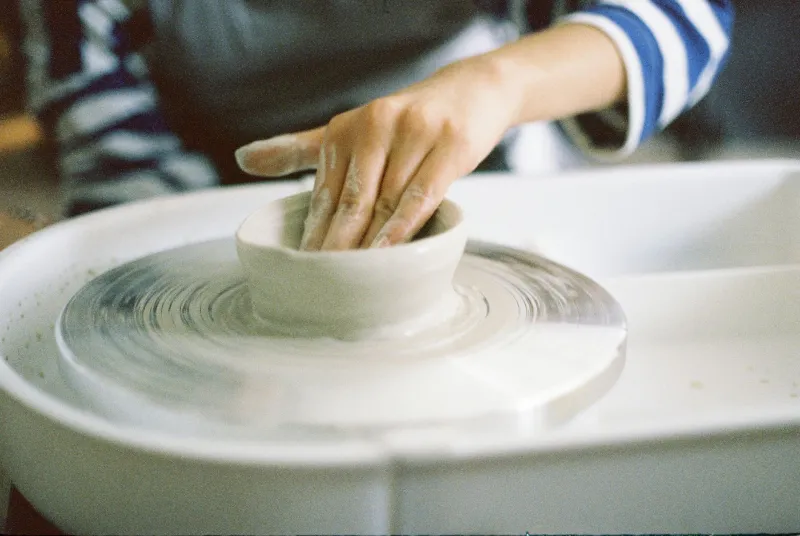
In Chalk Farm, a lino-printing night has taken over a taproom table near the window. The light is good, the lino is soft enough for beginners, and the mess is contained to a few cutting mats. In Gospel Oak, a mending circle meets in a pub that already feels like a community centre with a licence. People bring socks, jeans, coats and, occasionally, a lamp that needs rewiring. They help each other. They swap stories. They drink tea.
What links them is not the craft. It is the permission to be a beginner in public.
Why the format works
Craft nights are not new. What is new is the way they are being shaped for people who might never have joined a traditional class. The barriers are low: no term fee, no equipment list, no need to commit to six weeks. You can try knitting one week and never come back. You can come back for a year and never knit anything bigger than a square.
The alcohol-optional setting matters more than it might seem. Pubs are familiar, warm and easy to find. They are also social spaces where you do not have to be good at conversation to belong. A craft night gives people something to do with their hands, which takes the pressure off small talk. For anyone who finds conventional networking or group activities draining, that is a quiet kind of accessibility.
Organisers say the mix of people is changing. Younger makers are coming in, often drawn by Instagram or a friend. More men are turning up to knitting and mending. People who describe themselves as neurodivergent say the low-demand structure suits them: you can listen, you can drift, you can focus on your hands. The room is not silent, but it is not a quiz night either.
Priya, who runs a monthly knit night in Kentish Town, says the best sessions are the ones where nobody performs. ‘We had a woman come in who had never knitted before and a man who had been knitting for 40 years. By the end they were arguing about the best way to turn a heel. That is the whole thing, really. Everyone has something to learn and something to pass on.’
What makes a good craft night
Marcus, who hosts a lino-printing social in Chalk Farm, has a simple test: can someone walk in alone and feel settled within five minutes? That means a visible sign, a host who looks up, and a table with enough space to put your coat down. It also means choosing crafts that are forgiving. Lino printing is good because the first print is always a surprise. Knitting is good because it is repetitive. Mending is good because the thing is already broken, so there is less to lose.
Bad craft nights, he says, are the ones that turn into lessons by accident. ‘If you spend 40 minutes demonstrating, you have lost the room. Show someone once, then let them have a go. The making is the point, not the explanation.’
How to start your own craft night
If you have a local pub, café or community space and a craft you can share, you are most of the way there. Here is a practical route.
1. Find a venue that wants you
Approach a pub or café at a quiet time, not during Friday service. Explain what you want to do, how many people you expect and what you need: a table, decent lighting, maybe a socket. Be clear that the bar will benefit from drinks and snacks. Offer a trial night. Avoid venues that want a minimum spend per head; the alcohol-optional promise only works if nobody feels pressured to order.
2. Pick a low-mess, low-cost craft
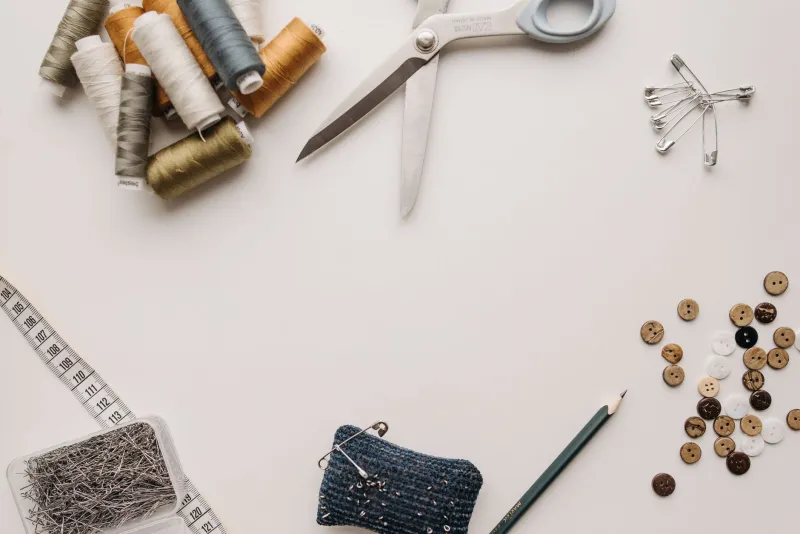
Knitting, crochet, visible mending, hand sewing, lino printing, pom-pom making and paper crafts all work. Avoid anything with strong fumes, open flames or a kiln. Keep the kit small: a few spare needles, threads, pins, cutting mats and a box of shared tools. Ask people to bring their own materials if they have them, and have a small stash for those who do not.
3. Set a fair cover charge
£3 to £5 is reasonable for a two-hour session. Use it to buy shared materials, biscuits and a small thank-you for the host. If you are the host, pay yourself something. Craft nights run on goodwill, but goodwill does not buy lino.
4. Make the welcome explicit
Put a sign on the table. Have a named host. Say hello to anyone standing near the door. Explain the format in one sentence: ‘We are making things, you can join in, there is no pressure to finish.’ Offer a beginner project and a harder one. Do not assume everyone knows what a slip knot is. Do not assume everyone drinks.
5. Spread the word locally
Instagram is useful, but the best craft nights grow by word of mouth. Put a notice in the venue. Ask the host to mention it. Post in local community groups. Tell the staff at your local yarn shop or art supplies shop. Camden Makes readers are exactly the sort of people who will bring a friend.
6. Keep it sustainable
Ask people to bring spare tools and leftover materials. Set up a swap box. Use charity-shop wool and second-hand fabric where you can. Print fewer flyers. The craft scene is already full of plastic packaging; a good craft night should not add to it.
The point is the table
Craft nights are not going to replace formal classes. They are not meant to. They are the first step for people who are curious, the weekly anchor for people who already make, and the reason a pub back room smells faintly of wool and coffee on a Tuesday. They are also a reminder that making things together does not need to be expensive, polished or particularly good. It just needs a table, a bit of light and someone willing to say, ‘Sit down, I’ll show you.’