The Setlist Quilt: Patchworking Camden's Paper Memories and Dead T-Shirts
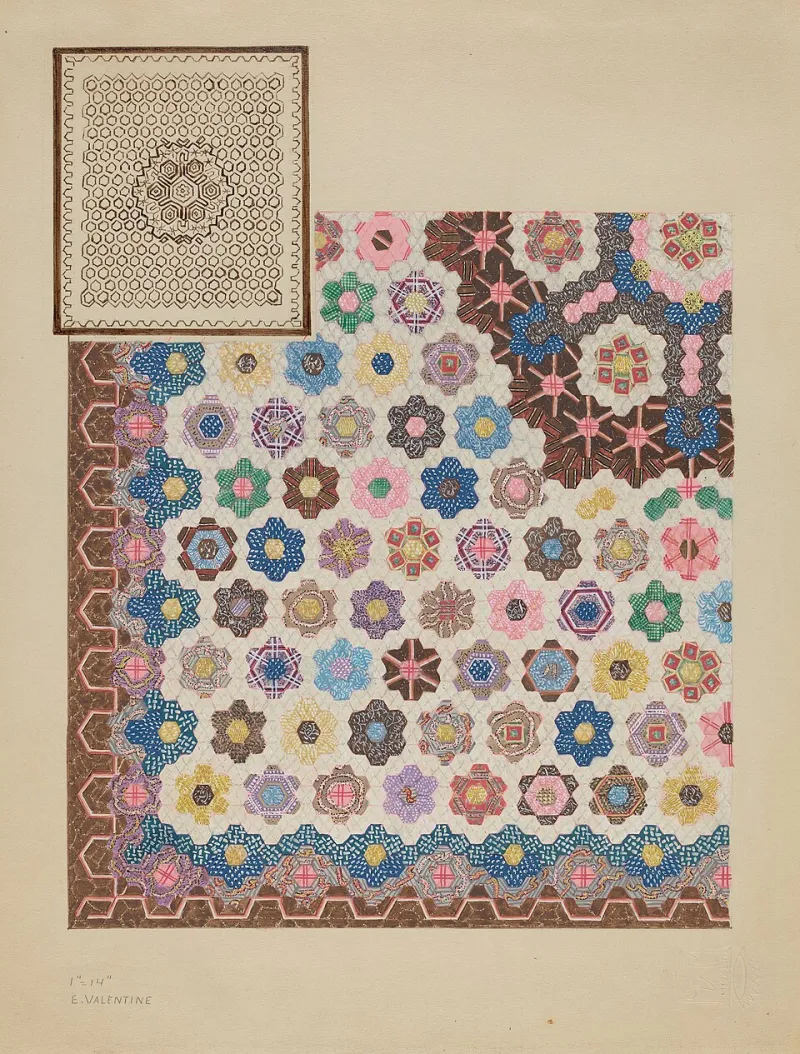
Photo: Elizabeth Valentine, CC0, via Wikimedia Commons
Camden's music heritage lives in odd materials. A flyer stapled to a railing on Kentish Town Road. A ticket stub softened by a coat pocket. A band tee that has been washed so many times the print has gone cloudy. Most of it ends up in the bin, or at the back of a drawer. But paper and cotton are sewable. With a bit of patience, they become patchwork panels, tote bags and small wall pieces that hold a specific night out rather than a generic logo.
This is not about making pristine heirlooms. It is about keeping the messy, faded, slightly gig-scented evidence of Camden's live music scene in circulation. And it is a sustainability project by default: you are using what already exists.
Start with a rescue mission, not a shopping list
The best materials are free and local. After gigs, venues often have stacks of outdated flyers behind the bar or in the office. Ask politely — not during the soundcheck rush, not while staff are clearing a busy room. The Underworld, Dingwalls, Electric Ballroom, Koko, the Roundhouse, Jazz Café, the Hawley Arms: all of them generate paper. A short email or a quiet word at the bar can yield a carrier bag of flyers that would otherwise be recycled.
Charity shops are the other obvious stop. Traid and Oxfam on Camden High Street, the Mind shop in Kentish Town, any of the smaller shops along Kentish Town Road. Look for band tees with stains, holes or stretched necks. They are cheap, unloved and perfect for cutting up. Also ask friends. Everyone has a drawer of dead gig shirts they cannot quite throw away.
One ethical rule: do not take flyers off walls if they are current, and do not lift merch from an artist's table. This is salvage, not scavenging.
Paper is not fabric: how to stop flyers disintegrating
Paper tears along fold lines and disintegrates when sewn without support. Stabilise it first.
The simplest method is lightweight fusible interfacing. HeatnBond Lite or a similar product, ironed onto the back of the flyer with a dry iron on low heat. Test on a corner first, because glossy flyers can scorch or bubble. No steam. Press rather than glide.
For delicate or coated flyers, use a sew-in stabiliser instead. Pin the flyer to a lightweight cotton or calico backing, then stitch around the edges with a narrow zigzag. The backing takes the strain, not the paper.
Avoid laminating. It feels plastic, it is miserable to sew, and it cannot be recycled later. A walking foot helps. So does reducing the pressure on your presser foot. Use a sharp 80/12 or microtex needle, stitch length around 2.5 to 3mm, and change the needle often — paper blunts them fast. Leave a generous seam allowance and never sew right up to the edge of the paper. For ticket stubs, scan or photocopy them first. Keep the original in a pocket and sew the copy, or accept that the original will get a needle hole in it.
T-shirts: the stretch problem
Jersey curls, needles skip, seams pucker. Old band tees are also often thin and tired. Use a ballpoint or stretch needle (75/11), polyester thread, a stretch stitch or narrow zigzag, and a walking foot if you have one. Iron a lightweight fusible tricot interfacing onto the back of the jersey before cutting. This stops the curl and gives the fabric some body.
Cut around the graphics, not through them. Salvage prints with a seam ripper. If a tee has holes, either embrace them or patch over them with another scrap. Wash everything first, cold, no fabric softener, and dry it fully before you cut.
Design: let the scraps talk
Lay everything out on the floor. Group by colour, era or venue. Mix paper squares with cotton. Do not make it too neat. A flyer from a night at the Forum next to a scrap of tee from a Hawley Arms show is more interesting than a perfectly matched grid.
A 40x50cm wall piece is a good first project. A tote bag is easier: use a sturdy canvas base, patch only the front panel, and line it with an old bedsheet. A cushion cover is the simplest win. A full quilt is ambitious but doable — use a simple grid and quilt lightly.
The sewing order that saves swearing
Stabilise everything first. Cut squares or rectangles to a consistent size, or improvise. Lay out the whole design and photograph it before you sew. Sew pieces into rows, press seams open — carefully, with low heat or a finger press, especially around paper. Sew rows together. Back with wadding and lining if you are making a quilt, then bind the edges. For a tote, sew the patchwork panel to the canvas before you assemble the bag.
Care and keeping
Paper patchworks are not washing-machine friendly. Spot clean them. Keep them out of direct sunlight so the flyers do not fade further. For tote bags, either use a removable panel or accept that the paper will wear. Band tees can be washed before cutting, and the finished textile pieces can be gently hand-washed if needed.
Where to source in Camden this autumn
Venue noticeboards after gigs, with permission. Charity shops on Kentish Town Road and Camden High Street. Camden Market fabric stalls for backing calico, though check the fibre content if you are being strict about new materials. Local sewing groups and library craft clubs. Freecycle and Freegle for old tees. And the bag of flyers that the bar staff at your local venue is about to put in the recycling.
A note on copyright and respect
You are making personal keepsakes, not bootleg merchandise. If you sell or exhibit, do not use band logos or artwork without permission. Use your own tickets, your own photos, your own flyers. Credit the flyer artist if you show the work publicly. The point is to honour the night, not to rip off the people who made it.
A patchwork made of a thousand nights out does not need to be precious. It is a record. Start with one flyer, one tee, one square. The rest is just seams.