A Wall, Not a Gallery: Selling Handmade Work in Camden’s Cafés and Corner Shops
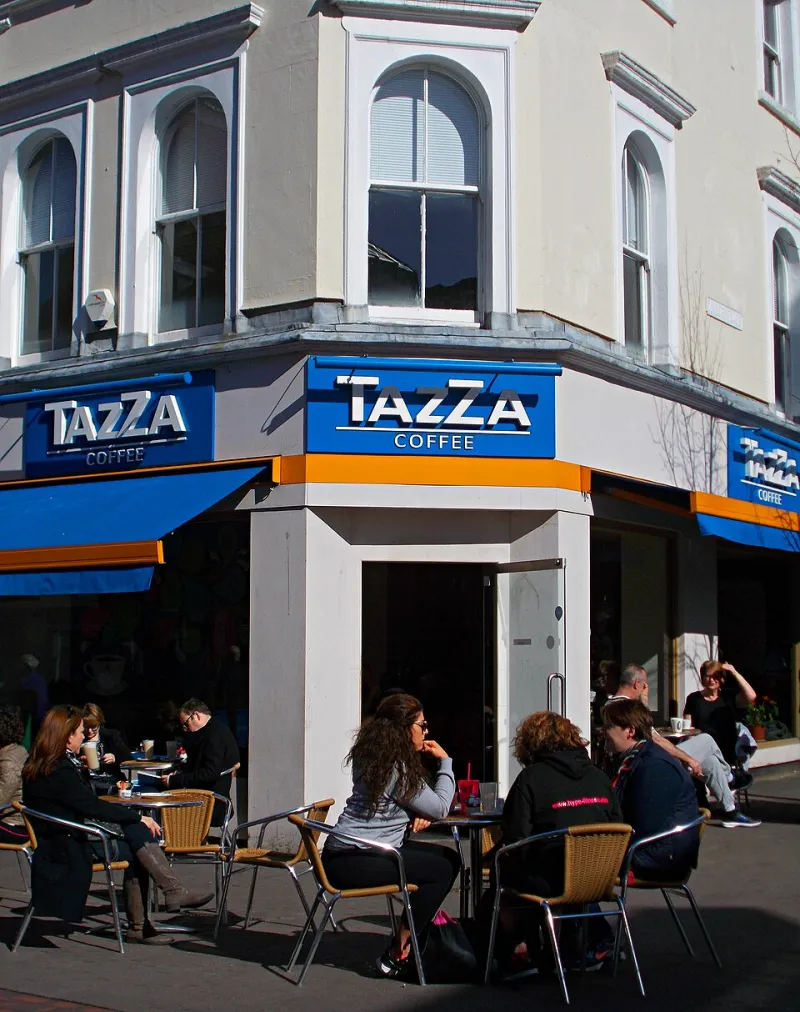
Photo: A P Monblat, CC BY-SA 4.0, via Wikimedia Commons
Camden is packed with walls that could do with a bit of company. The stretch of café between Kentish Town and Chalk Farm, the barbers just off Queen’s Crescent, the pub corner that never quite knows what to put above the fireplace — these are not galleries, and that is exactly why they work. People linger there. They buy coffee, get their hair cut, meet a friend. Your work gets seen by humans in a relaxed frame of mind, which is a far better start than a white cube and a polite nod.
At Camden Makes, we have watched more makers move into these spaces over the last couple of years. The ones who do well are not the ones with the slickest pitch. They are the ones who treat the wall as a partnership: the venue gets a warmer room, you get a shopfront, and nobody has to pretend it is the Tate.
Start with the room, not the wall
Before you email anyone, spend an hour in the venue as a customer. Notice where the light falls. Notice whether the walls are already busy or bare. Ask yourself whether a framed textile would survive the steam from the coffee machine, or whether a ceramic shelf is a disaster waiting to happen near a door. A café in Kentish Town with a tiny loo corridor is not the same proposition as a Chalk Farm pub with a long, empty side wall.
This is also when you check the practical stuff: plug sockets, fire exits, step-free routes, and whether the wall is actually yours to use. A quick chat with the person behind the counter — “Is that wall ever used for anything?” — is gentler than a formal proposal landing in an inbox. If they look harried, come back at a quieter hour. A Tuesday at 3pm is your friend. Saturday brunch is not.
The quiet-hour approach
When you are ready, keep the ask small and specific. Do not send a 14-page artist statement. Send three images, a short line about what you make, and a simple suggestion: “I make small ceramics and I would love to show six pieces on your back wall for two months. Sale or return, 25% to you, and I will handle labels and install.” That last part matters. Venues are busy. If you can make the job easy, you are already ahead.
Independent places in Camden tend to say yes to work that fits their room rather than work that shouts over it. A barber might prefer a tight grid of prints at eye level. A café with exposed brick might want one larger textile. A corner shop with a noticeboard might only have space for a small shelf of cards. None of these is a lesser opportunity. A £12 print sold to a regular is still a sale, and it is proof that your work belongs in the world.
Agree the awkward bits before anything goes up
This is the part people skip, and it is the part that causes trouble. Before you hang a single nail, write a short consignment note. It does not need to be legalistic, but it should cover: who holds the work, the retail price, the commission, how and when you get paid, what happens if something is damaged or stolen, how long the display stays up, and who is responsible for insurance.
Commission in Camden varies. Twenty to thirty per cent is common for cafés and small shops; some venues ask for a flat monthly fee instead. Neither is automatically unfair, but you need to know the number before you agree. Ask whether they have public liability insurance and whether your work is covered while it is on their premises. If not, check your own policy. Do not assume a café’s insurance covers a ceramic vase that someone’s toddler has just introduced to the floor.
Also agree how sales work. Will staff take payment and keep a record? Will there be a small till book? Can you collect unsold work on a set date? A simple shared note — even a WhatsApp thread — is better than a vague promise. Keep it friendly, but keep it written down.
Labels that do the selling
A good label is not a tombstone. It should answer the questions a customer actually has: what is it, who made it, what is it made of, and how much is it? Keep the type large enough to read from standing height. Put the price on every piece, not just one. If something is not for sale, say so clearly and kindly. If it is a commission, say that too.
Use the venue’s character. A hand-written card in a Chalk Farm pub can feel perfect; a neat printed label in a minimal Kentish Town café may suit better. What matters is consistency and clarity. Avoid mysterious titles with no price, and avoid labels that require a customer to interrupt a barista who is mid-flat-white.
QR codes without the hard sell
A QR code can be useful, but it should not turn the wall into a checkout aisle. Link to a simple page that shows your work, your upcoming markets, and how to contact you. Do not link straight to a payment screen unless the venue is set up for it and the customer has been told. A small line like “More work and workshop dates: scan here” is enough. Test the code yourself, on an older phone, in the actual light of the room. If it fails, fix it before you leave.
Rotate, repair, repeat
A wall that never changes becomes wallpaper. Aim to refresh every six to eight weeks, or whatever you agreed. Rotating work gives regulars a reason to look again and gives you honest feedback about what people respond to. Check pieces for dust, damage and fading. Replace labels that have curled. Take away anything that has been sitting unsold for two rotations and think about whether it belongs in a different venue — or a different format.
And say thank you. Leave a note, tag the venue when you post about the display, and buy a coffee when you drop off new work. The Camden making scene runs on relationships. A café wall is not a stepping stone to somewhere better; it is a real, useful, local shopfront. Treat it like one, and it will treat you well.